
36+
Years
Of restorative care
From hairline cracks to deep fractures, we have the tools and experience to restore your tooth and stop the pain for good.
Book Appointment
Some cracks need a crown. Others need a root canal. We explain exactly what's happening and why we suggest what we do.
36+
Years
Of restorative care
Early detection, early treatment
Prevents loss of crack teeth
We identify the type and depth of the crack quickly so we can start treatment right away.
Treating a crack early can save your tooth from splitting completely and needing extraction.
We'll tell you if the tooth can be saved — or if extraction is the safer long-term option.
A cracked tooth can range from a minor surface line to a deep fracture reaching the root. Symptoms often include sharp pain when chewing, sensitivity to temperature, and discomfort that comes and goes.
Grinding, biting hard objects, trauma, large fillings, or natural wear over time.
A thorough exam, possibly X‑rays, and a clear explanation of the crack and your options.
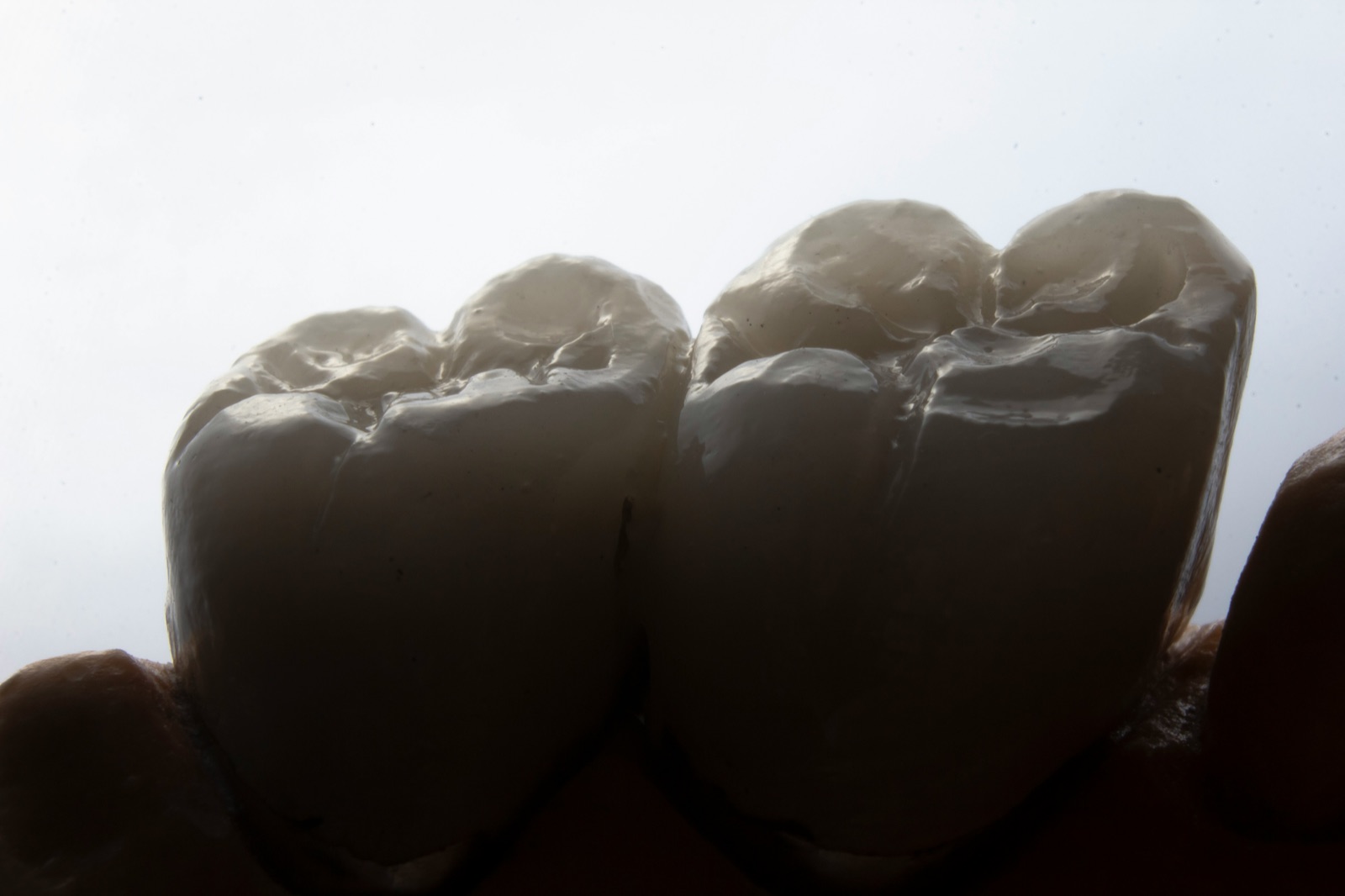
Pain that spikes when you bite and releases when you let go is a classic sign of a crack. The tooth flexes under pressure, irritating the nerve with every chew.
Cracked teeth cause intermittent symptoms that are hard to pinpoint. If pain appears randomly and disappears just as fast, a hidden crack is often the culprit.

01.
Reach out online or give us a call. We'll find a time that works and answer any initial questions.
02.
We'll take the time to understand your concerns, examine thoroughly, and explain your options clearly.
03.
No rushing, no pressure. We walk you through every step and make sure you're comfortable throughout.
04.
Leave feeling informed, cared for, and confident in your healthier smile. That's the Cambie difference.
Step inside our clinic and meet the team that puts your comfort first.
Your crack has been treated — now keep it strong for years to come. These habits help.
A custom guard absorbs that force while you sleep, preventing new cracks from forming.
Be mindful of what you chew — one wrong bite can undo the work we've done.
Brush and floss daily to prevent decay at the margins of your restoration.
We examine repaired teeth at every visit, checking for wear, loosening, or signs the crack has progressed.

Understanding your value and goals is the first step in providing the best tailored care that is suitable for YOU. Thoughtful, honest, and educational is core to our approach from Day One.
Book Appointment Cracked TeethThe subtle symptoms of a cracked or fractured tooth, and why acting early makes treatment simpler.
Cracked TeethHow dentists treat cracked teeth depending on the severity, from simple bonding to crowns and beyond.
Cracked TeethEveryday habits and simple safeguards that reduce your risk of cracking a tooth in the first place.
Sharp pain when biting, temperature sensitivity, or pain that comes and goes are common signs. A dental exam — sometimes with magnification or X‑rays — confirms the crack and its severity.
No. Unlike bone, tooth enamel doesn't regenerate. Cracks tend to deepen over time. Early treatment stops the crack from progressing and saves the tooth.
Options range from bonding or a crown for small cracks, to a root canal plus crown if the nerve is involved, to extraction for cracks that reach the root. We explain trade-offs clearly.
Not during the procedure — we use local anesthesia. Some sensitivity for a few days afterward is normal and fades quickly as the tooth settles into its new restoration.