If your dentist has recommended a deep cleaning, you may be wondering how it differs from a regular visit. The procedure is gentler than it sounds, and understanding it can take away a lot of the worry.
Why a Regular Cleaning Is Not Enough
A standard cleaning polishes the surfaces of your teeth above the gumline. When gum disease has created pockets, bacteria and tartar build up below the gumline where a routine cleaning cannot reach. Left alone, that buildup keeps the inflammation going and lets the pockets deepen.
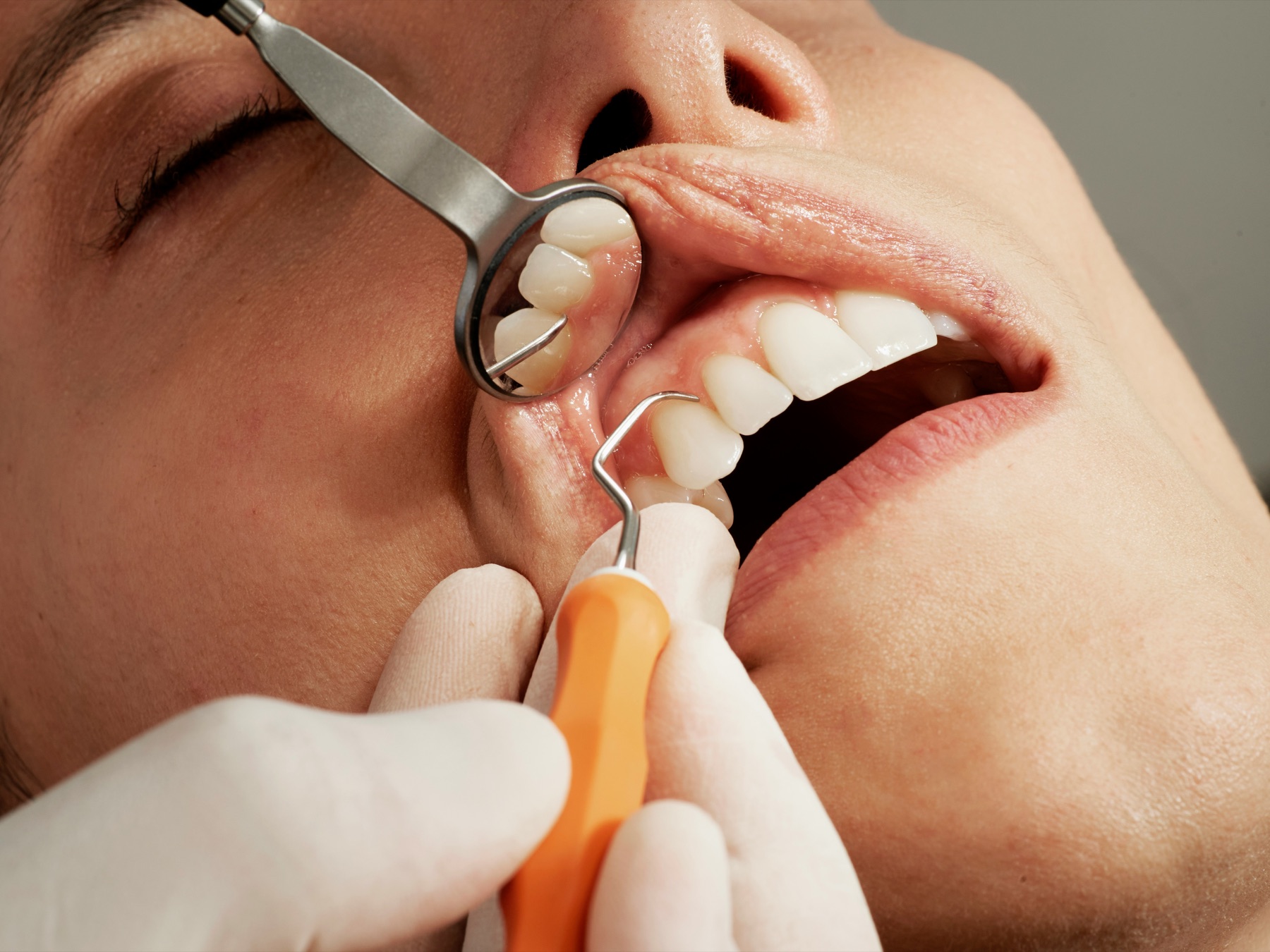
A deep cleaning, known clinically as scaling and root planing, goes further. Scaling removes the hardened deposits from the tooth surface and below the gumline, and root planing smooths the root so the gum can reattach more cleanly. It is a targeted response to a problem a regular cleaning cannot solve.
During the Appointment
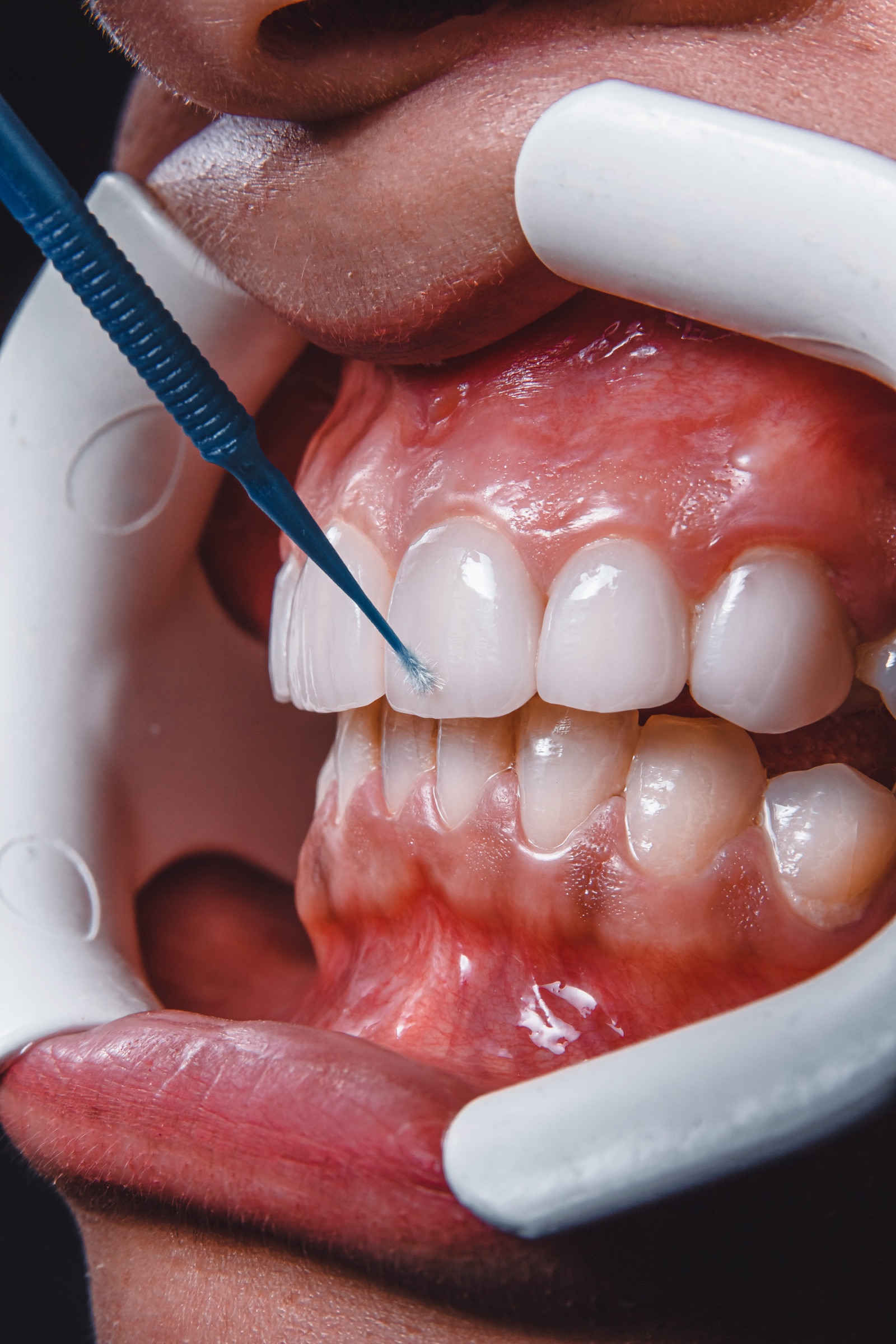
We usually numb the area first so you stay comfortable throughout. Using fine instruments and an ultrasonic scaler, we clear the buildup from each tooth and smooth the root surfaces. Depending on how much of the mouth is affected, the work may be split across two visits so no single appointment feels rushed.
Most people find the experience much easier than they expected. You may feel some pressure and hear the instruments working, but the numbing keeps discomfort to a minimum. We check in with you along the way and adjust as needed.
Healing and Aftercare
For a few days afterward, your gums may feel a little tender and your teeth might be briefly sensitive to hot or cold. This settles quickly. Gentle brushing, warm salt‑water rinses, and sticking to softer foods for a day or two help the tissue recover.
A deep cleaning is the start of getting your gums healthy, not the whole job. We often schedule more frequent maintenance cleanings afterward to keep the pockets shallow and the bacteria in check. Staying on that schedule is the single best way to protect the results.