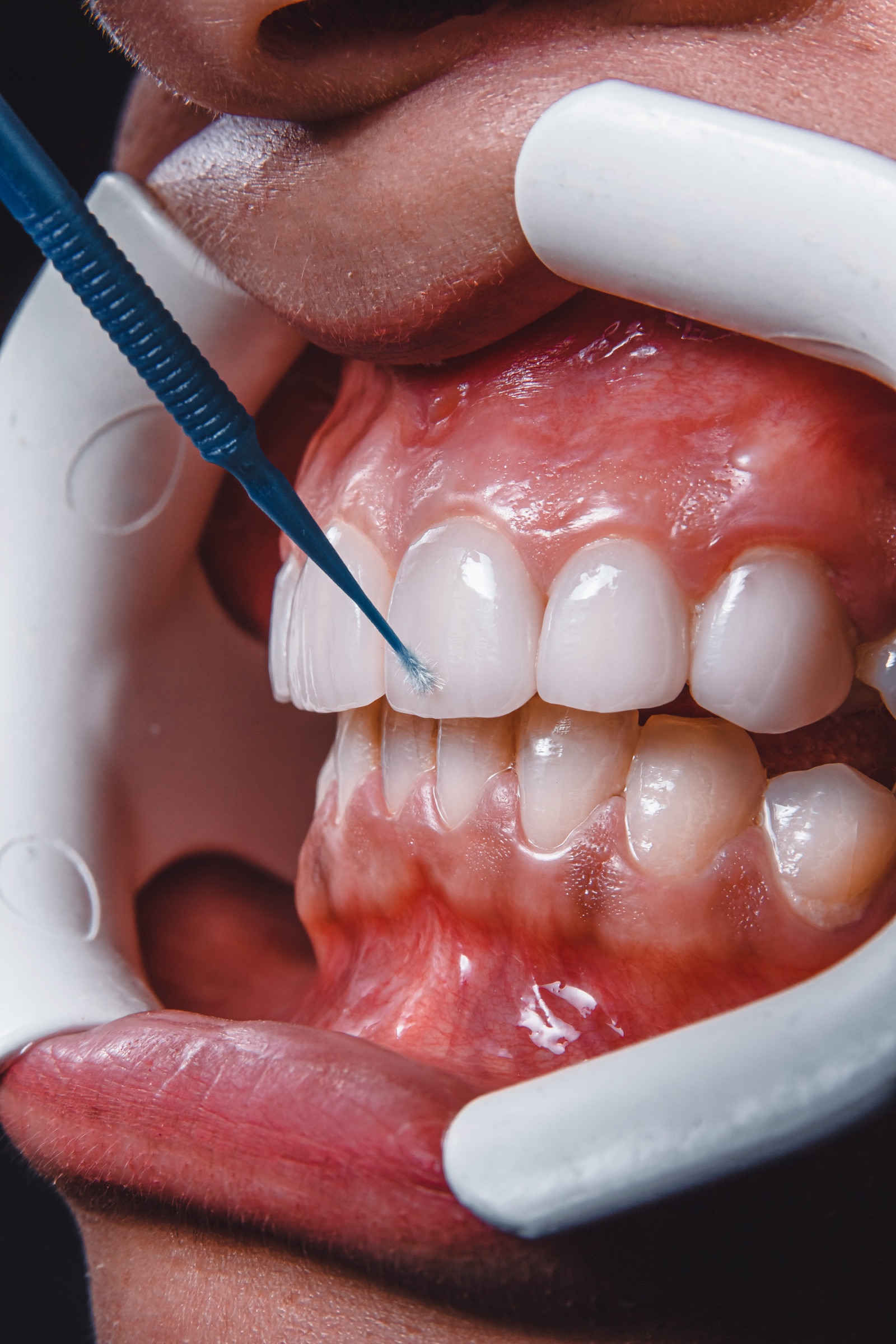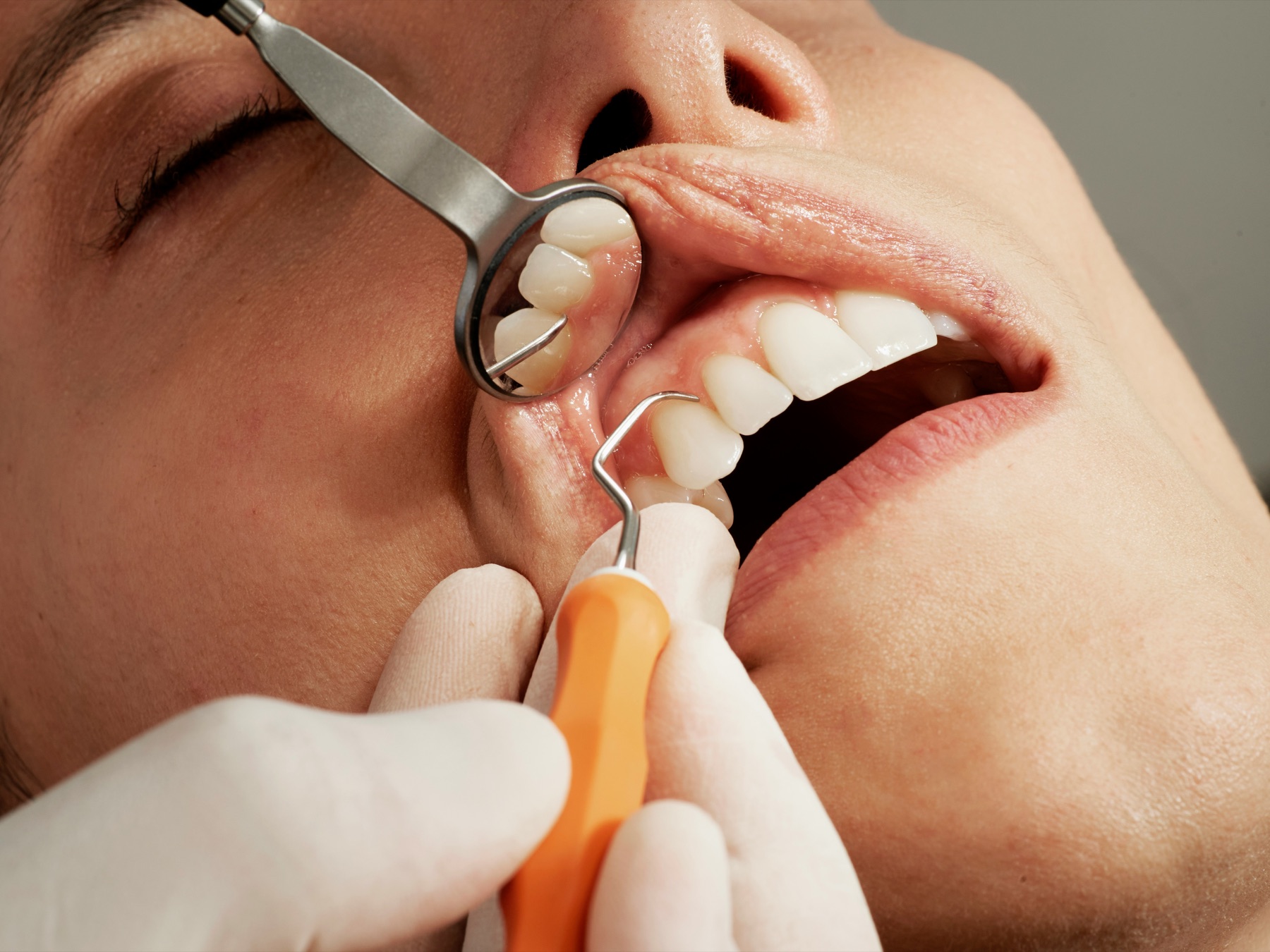

Gum disease rarely arrives all at once. It builds quietly over months or years, which is exactly why understanding its stages gives you the chance to step in before lasting damage sets in.
It Starts With Gingivitis
The earliest stage is gingivitis, an inflammation of the gum tissue caused by plaque that lingers along the gumline. You might notice gums that look puffy, feel tender, or bleed a little when you brush or floss. Many people assume bleeding gums are normal, but they are usually the first sign that something needs attention.
The good news is that gingivitis is reversible. With a professional cleaning and a consistent home routine, the inflammation can settle and the gums can return to full health. Because there is often no pain at this stage, regular checkups at Cambie Dental are the most reliable way to catch it while it is still easy to treat.
When It Progresses to Periodontitis
If plaque is left undisturbed, it hardens into tartar and the inflammation moves deeper. The gum begins to pull away from the tooth, forming small pockets that trap bacteria. This is early periodontitis, and unlike gingivitis, it involves the bone and fibres that hold your teeth in place.
As periodontitis advances, those pockets deepen and more of the supporting bone is lost. Teeth may start to feel loose, gums may recede, and persistent bad breath can appear. The damage at this stage cannot be fully reversed, but it can be controlled and stabilized so you keep your natural teeth for as long as possible.
How We Slow It Down
Treatment is matched to the stage. Earlier cases often respond to a thorough cleaning and better daily habits, while more advanced cases may call for deep cleaning below the gumline and closer monitoring over time. The aim is always to reduce the bacteria, calm the inflammation, and give the tissue a chance to reattach where it can.
Consistency after treatment matters just as much as the treatment itself. Keeping up with cleanings, brushing gently twice a day, and flossing daily protects the progress you make. If your gums bleed regularly or feel different, reach out to our Vancouver team rather than waiting for it to pass.