
A digital scan first
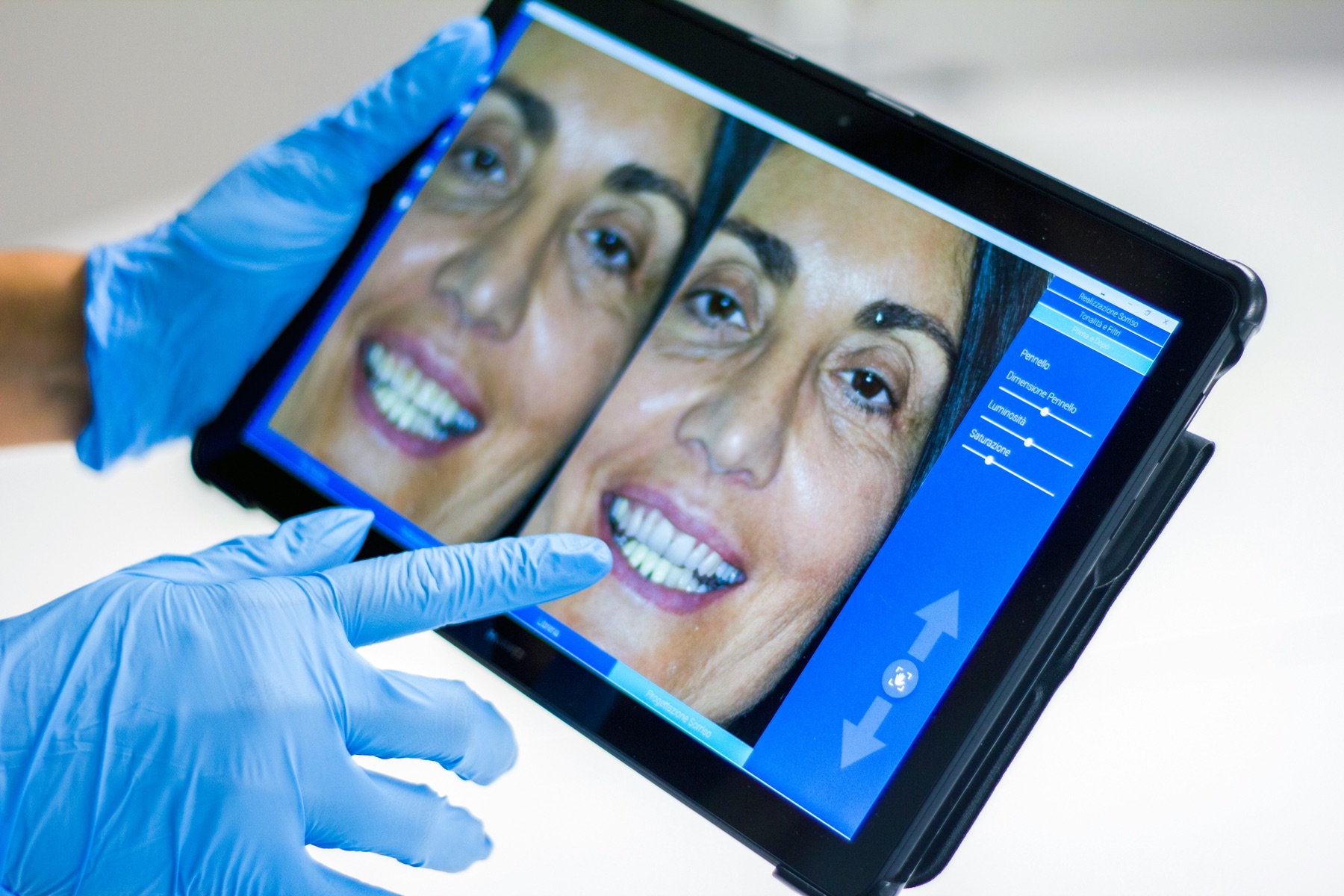
We scan your teeth and plan the whole sequence before anything is manufactured, so you can see the finish line at the start.
Clear, removable aligners that move your teeth a fraction at a time. Most teens and adults finish in 12 to 18 months, without a bracket in sight.
Book Appointment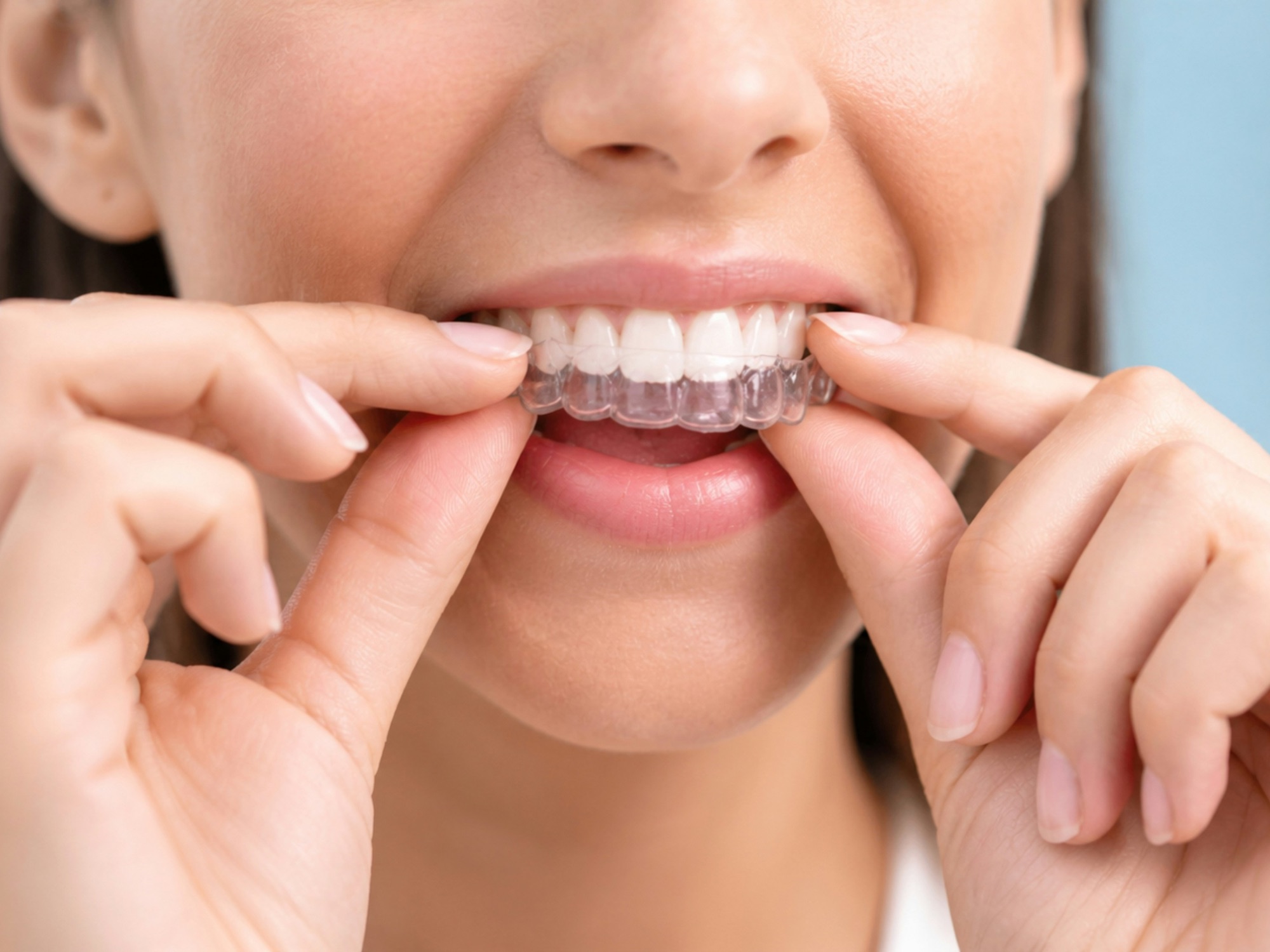
Your teeth are scanned, then every movement is mapped before a single aligner is made. You wear each tray for a week or two, and your teeth follow the plan one small step at a time.
We scan your teeth and plan the whole sequence before anything is manufactured, so you can see the finish line at the start.
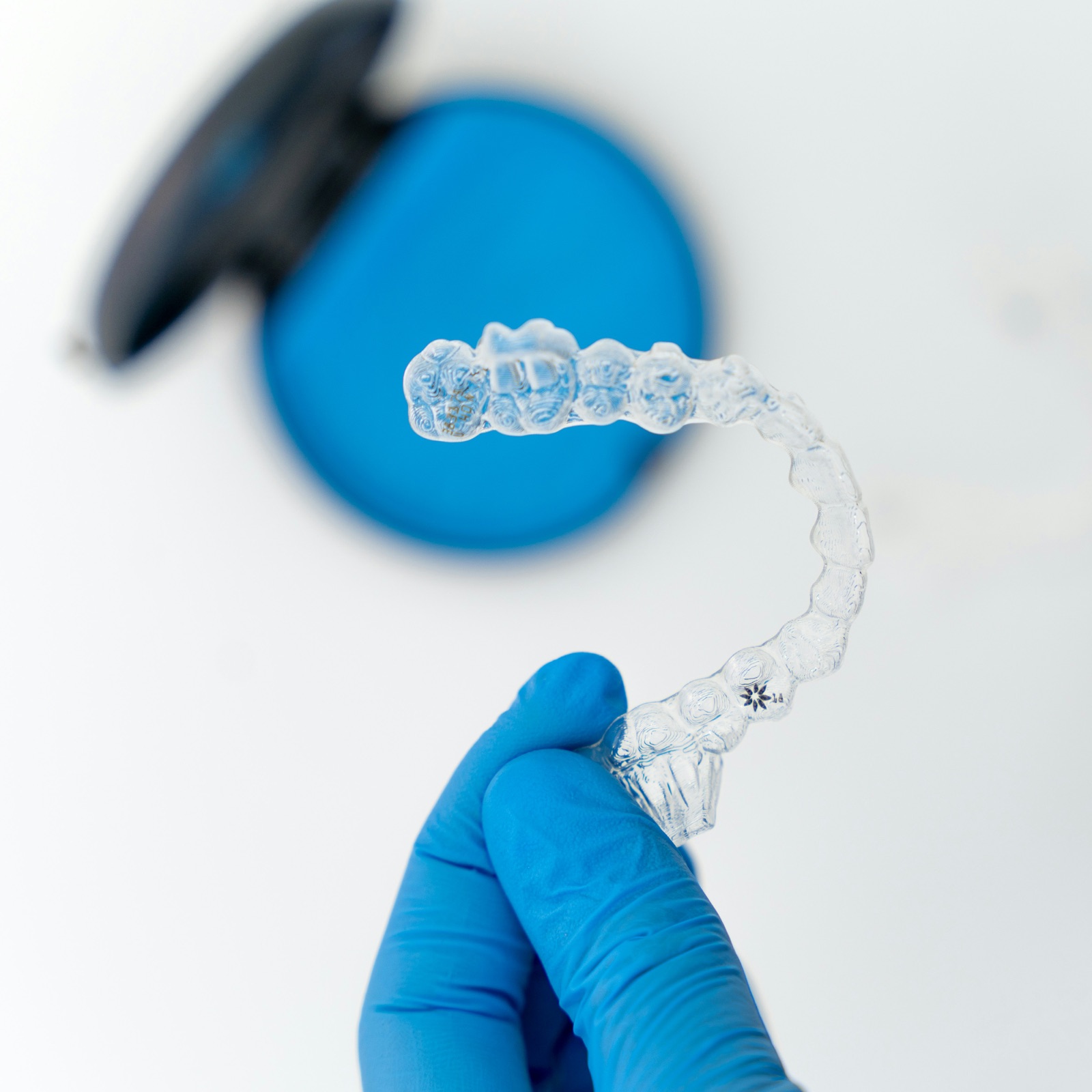
Each aligner moves your teeth a fraction of a millimetre. The change is gradual, which is why aligners feel like pressure rather than a tightening appointment.
Aligners only work while they are in. They come out to eat, drink anything but water, and brush.
Teeth drift back without one. A retainer is part of the treatment plan from the beginning, not an extra sold at the end.
Small corrections at the front of the mouth often finish in six to nine months, sometimes with a shorter series of aligners designed for exactly that.
Twelve to eighteen months is the usual range once both arches are being moved and the bite is being settled at the same time.
Deep bites, crossbites and large gaps take longer, and some are better treated with braces. We will say so at the consultation rather than stretch aligners to fit the case.
Wearing aligners less than 22 hours a day is the single biggest cause of delay. Teeth move back between trays, and the sequence has to catch up.
Most patients are seen every six to ten weeks to check progress and collect the next set of trays.
Both straighten teeth. The honest difference is control: braces are fixed to the tooth and work whether or not you cooperate, while aligners depend on you wearing them. For most crowding and spacing, that trade is worth making.
You want treatment nobody notices, you can commit to 22 hours a day, and your case is crowding, spacing or a mild to moderate bite problem.
Teeth need significant rotation or vertical movement, or the treatment should not depend on remembering to put something back in.
Still weighing it up? Our guide on clear aligners versus traditional braces walks through both, and the Canadian Association of Orthodontists publishes patient guidance on what each approach can correct. Treatment here starts from the orthodontics consultation either way.
01.
We examine your teeth and bite, discuss what bothers you, and say plainly whether aligners are the right tool for it.
02.
A digital scan maps your teeth. You see the planned movements and the expected finish before committing.
03.
Each tray is worn for a week or two, 22 hours a day, with a check-in every six to ten weeks.
04.
Once your teeth are where they should be, a retainer keeps them there. We fit it and show you how to care for it.
Three bands, set by how much work your teeth need. You get your exact figure at the consultation, once we have seen your scan.
Depending on the result you want.
Inclusive of your final retainers.
We assess your candidacy for Invisalign / Clear Aligners before quoting a figure.
Teeth that drifted after earlier treatment are one of the most common aligner cases, and usually one of the quickest.
Aligners suit teenagers whose adult teeth are through and who will wear them consistently. Compliance matters more than age.
Active gum disease or untreated decay is handled before teeth are moved. Moving teeth through unhealthy bone makes both problems worse.
Grinding is not a barrier. Aligners cover the biting surfaces, and in some cases that protects the teeth during treatment.
Understanding your value and goals is the first step in providing the best tailored care that is suitable for YOU. Thoughtful, honest, and educational is core to our approach from Day One.
Book Appointment OrthodonticsAligners are discreet and removable; braces handle complex cases more predictably. Both can deliver excellent results in the right patient.
OrthodonticsBoth straighten teeth beautifully, but they suit different lives and needs. Here is how to weigh the two options.
 Orthodontics
More adults than ever are straightening their teeth. Here is what treatment looks like beyond the teenage years.
Treatment usually runs 12 to 18 months. Mild crowding at the front can finish in six to nine months, while bite corrections take longer. The estimate you get at the consultation is based on your own scan, not an average.
Mild or limited cases start at $4,000, depending on the result you want. Moderate cases start at $6,000, inclusive of your final retainers. Complex conditions need an assessment of your candidacy before we quote. We confirm your exact figure at the consultation and check your insurance for orthodontic coverage at the same time.
Aligners feel tight for a day or two after each new tray, which is the pressure doing its job. Most people describe it as awareness rather than pain, and it settles as the teeth move.
Aligners come out for meals and for anything other than water. That protects them from staining and from the force of chewing, and it is one of the reasons people prefer them to braces.
For crowding, spacing and mild to moderate bite problems, aligners achieve results comparable to braces. Cases needing large rotations or vertical movement are more predictable with braces, and we will tell you if yours is one of them.
Many extended health plans include orthodontic benefits, frequently as a lifetime maximum. Bring your plan details to the consultation and we will check what applies and bill directly where the plan allows.
A retainer holds your teeth in their new positions. Teeth drift for life, so retention is permanent in some form, usually a nightly retainer once the first few months have passed.