
99%
Success
Comfortable, predictable, affordable
Whether you're preparing for implants or preserving bone after extraction, we restore the structure your smile needs to thrive.
Book Appointment
Every case is different. We use imaging and careful examination to plan a graft that sets you up for long-term success.
99%
Success
Comfortable, predictable, affordable
Advanced Techniques
Use of Platelet Rich Fibrin to enhance healing
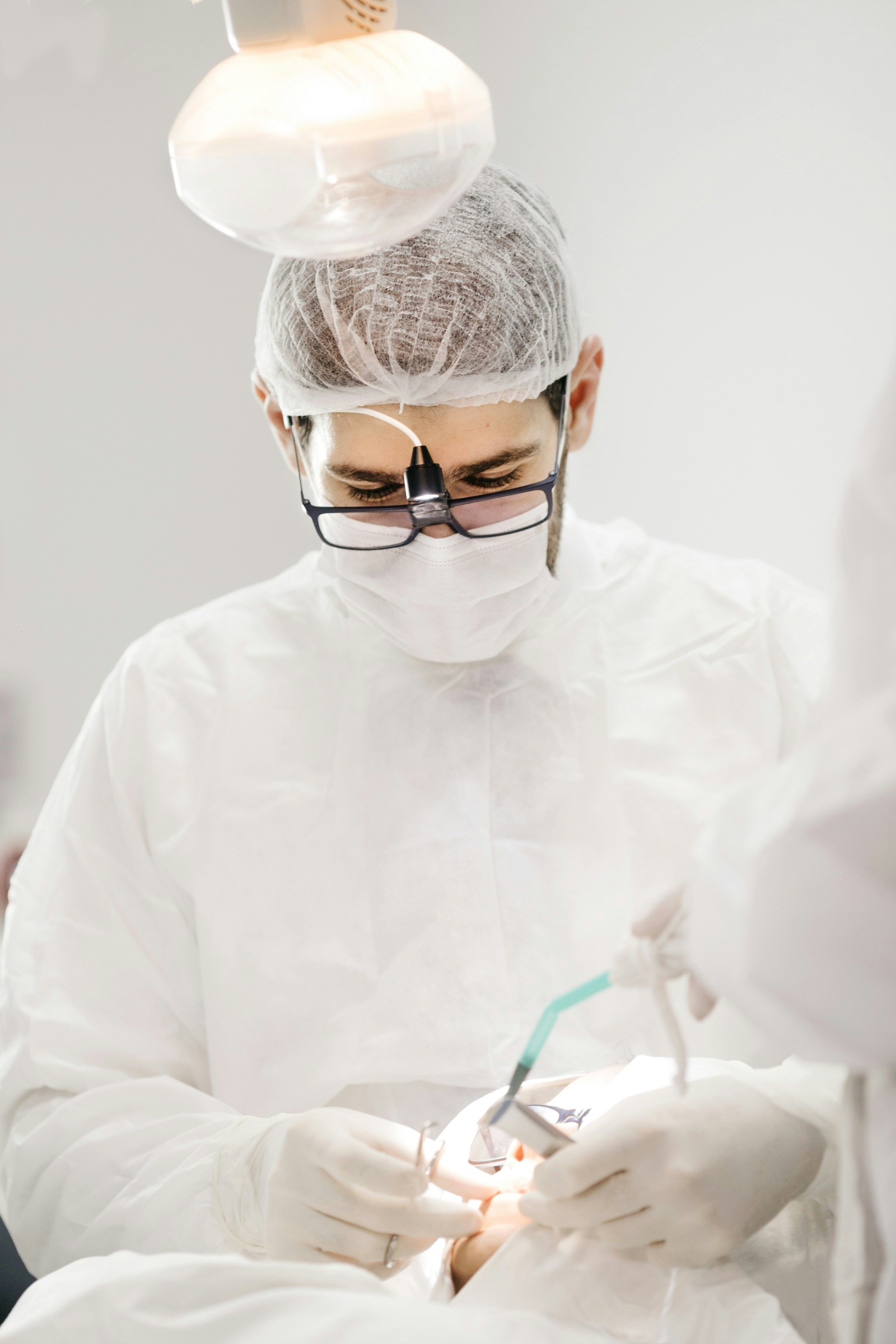
We use X‑rays and scans to assess bone density and determine exactly where grafting is needed.
Modern techniques and materials lead to consistent integration and fewer complications.
We explain whether grafting is essential or optional — and what happens without it.
After a tooth is removed, the surrounding bone begins to shrink. That loss can affect nearby teeth, cosmetics, and your ability to support implants or dentures later. Bone grafting prevents this collapse.
Insufficient bone for implants, loose dentures, or visible shrinkage of the jaw over time.
A minor surgical procedure, followed by several months of healing as the graft integrates.
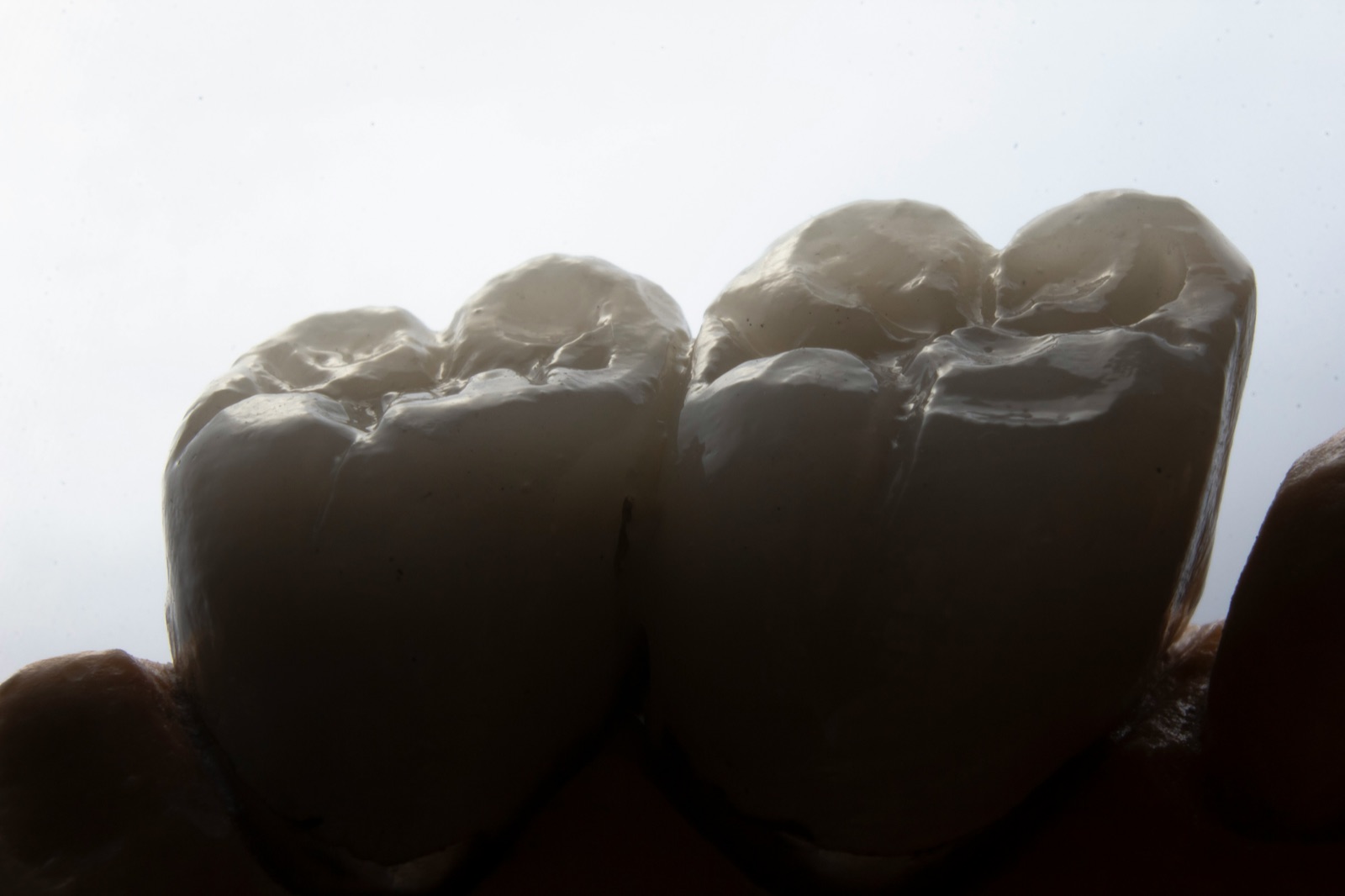
Implants need solid bone to anchor into. If yours has shrunk from tooth loss or time, grafting rebuilds the foundation so implants can succeed long-term.
When a tooth is removed, the surrounding bone can shrink over time. Grafting helps preserve the bone structure and maintain proper support for neighbouring teeth and the overall stability of your bite.
Planning ahead matters. When a tooth is being removed and replacement is expected, grafting helps preserve the bone needed for future treatment. After the ridge has resorbed over time, restoring that lost bone becomes significantly more challenging.
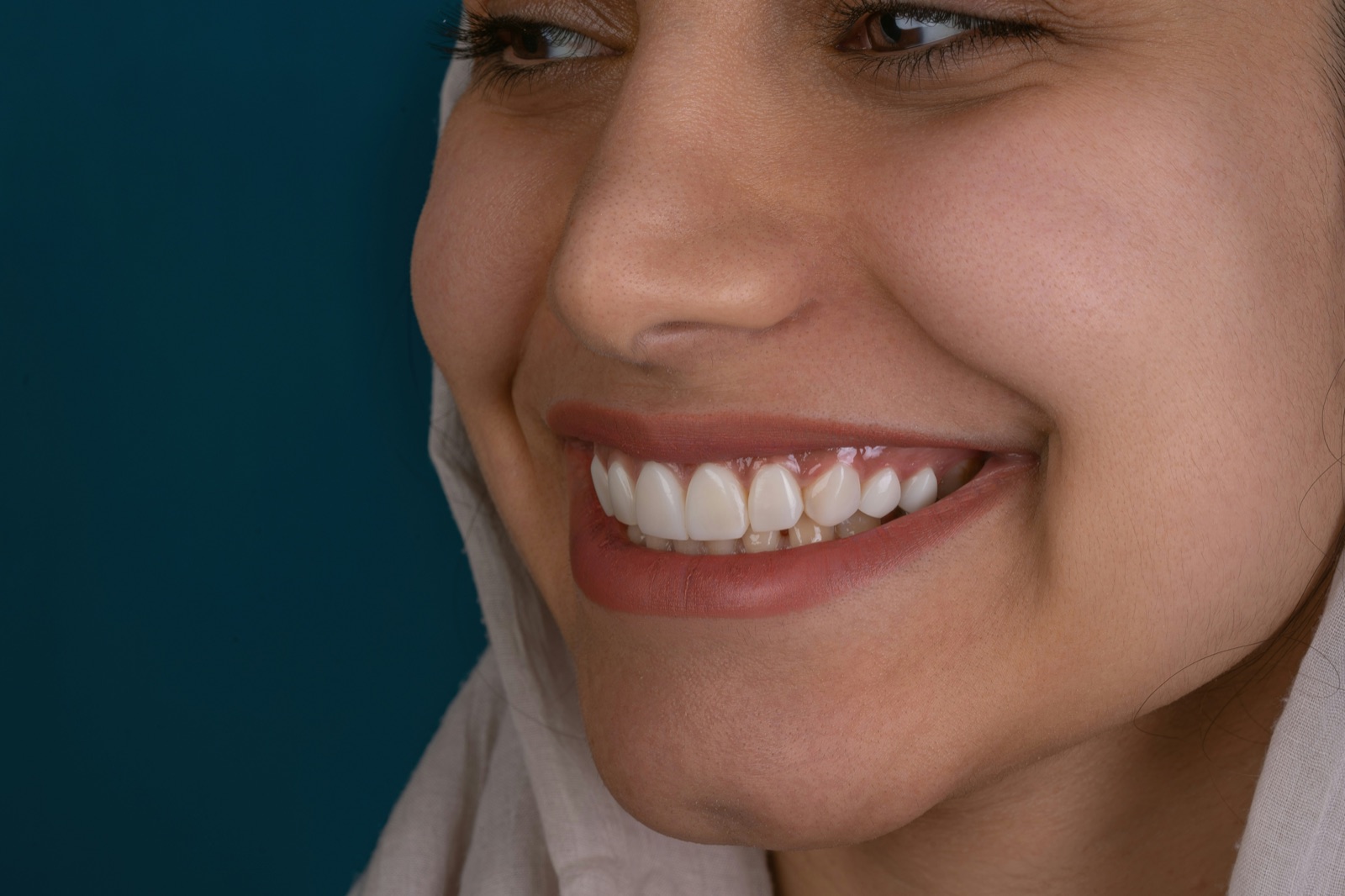
01.
Reach out online or give us a call. We'll find a time that works and answer any initial questions.
02.
We'll take the time to understand your concerns, examine thoroughly, and explain your options clearly.
03.
No rushing, no pressure. We walk you through every step and make sure you're comfortable throughout.
04.
Leave feeling informed, cared for, and confident in your healthier smile. That's the Cambie difference.
Step inside our clinic and meet the team that puts your comfort first.
Successful integration takes time and care. Here's how to give your graft the best chance.
Soups, smoothies, eggs, and soft proteins nourish you without putting pressure on the healing area.
Swelling peaks around day two or three. Ice your cheek for 20 minutes on, 20 minutes off.
Bone grafts take 3 to 6 months to fully integrate. Rushing to the next step risks graft failure.
Increasing pain, fever, pus, or exposed graft material should be reported to us immediately.
Understanding your value and goals is the first step in providing the best tailored care that is suitable for YOU. Thoughtful, honest, and educational is core to our approach from Day One.
Book Appointment Bone GraftingDental implants need solid bone to anchor to. Learn how bone grafting rebuilds a strong foundation when the jaw needs a little extra support.
Bone GraftingBone grafts heal gradually as your body builds new bone. Here is a realistic timeline of what recovery looks like from the first days onward.
Bone GraftingBone grafting does more than support implants. Discover how preserving jaw bone protects your bite, your facial shape, and your future dental options.
Not during the procedure — local anesthesia keeps you numb. Most patients describe the healing as less uncomfortable than a tooth extraction.
Options include your own bone, donor bone, animal-sourced, or synthetic. We explain pros and cons of each and match the right choice to your case.
Most grafts integrate within 3 to 6 months before the next step (usually an implant). Larger grafts can take longer. We monitor progress along the way.
Failure is uncommon when aftercare is followed. Smoking, uncontrolled diabetes, or poor hygiene raise risk. We discuss your specific risk factors upfront.