Root canals have a reputation they no longer deserve. With modern anesthesia and technique, most patients describe the experience as no worse than getting a filling. The harder part is often recognizing when you need one.
The common warning signs
Throbbing pain that keeps you awake, sensitivity that lingers minutes after hot or cold, a tooth that has darkened, a pimple-like bump on the gum, or swelling along the jaw. Any one of these is a reason to get checked.
What a modern root canal looks like
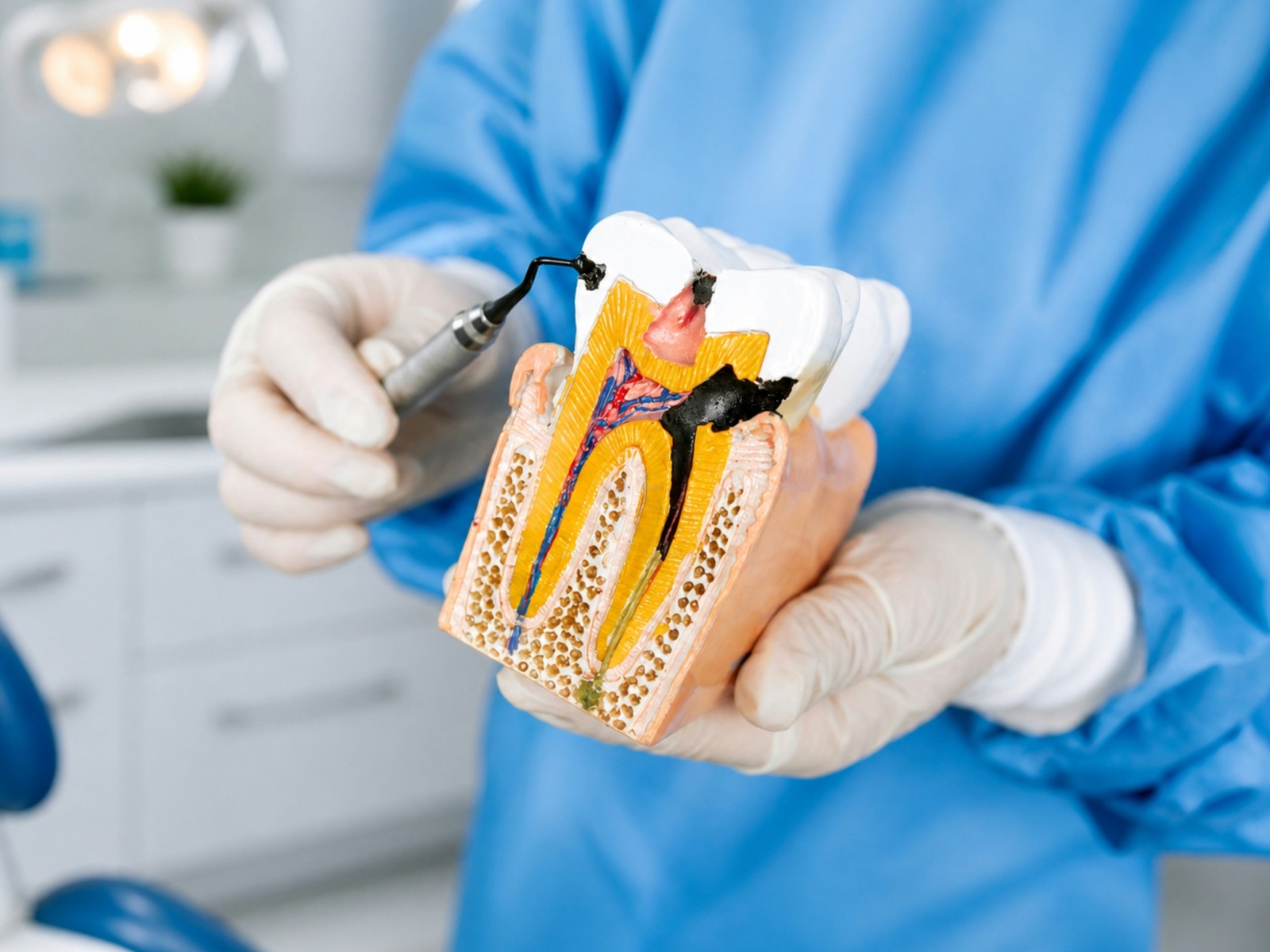
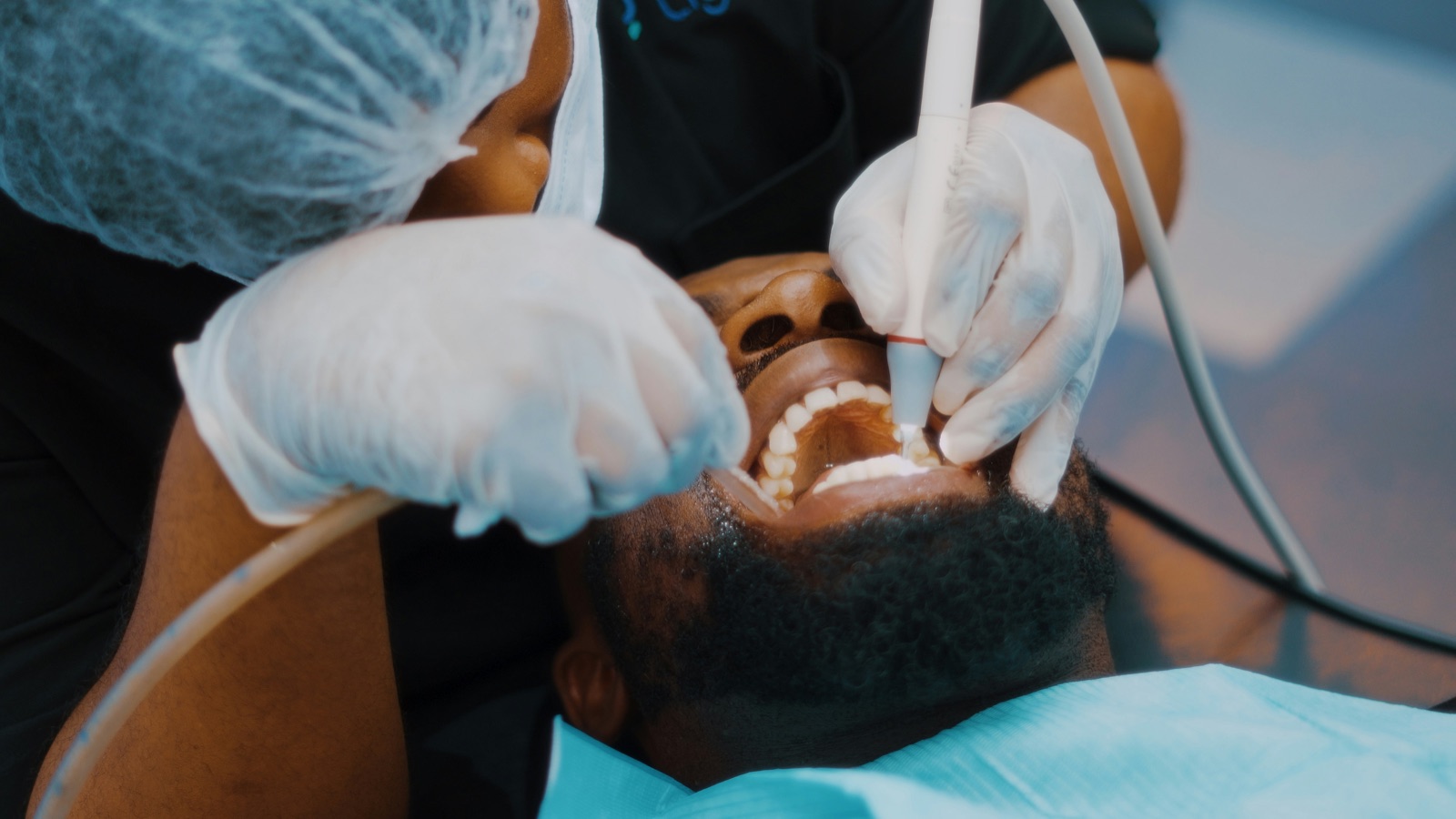
Local anesthesia numbs the area completely. We remove the infected tissue inside the tooth, clean and shape the canal, then seal it against reinfection.
A crown is usually placed afterward to protect the tooth from fracture. Done well, this procedure can last a lifetime.
Why saving the tooth matters
A root canal keeps your natural tooth in place. The alternative — extraction — creates a gap that requires an implant or bridge to fill properly, which is more invasive and more expensive over time.