
Traditional dentures have helped people for generations, and they still have a place. But it is worth understanding how they compare with implant‑supported dentures before you decide which suits your life.
Fit and Stability
A conventional denture rests on the gums and relies on suction, and sometimes adhesive, to stay in place. That works, but the fit can loosen over the day and with time as the underlying bone changes shape.
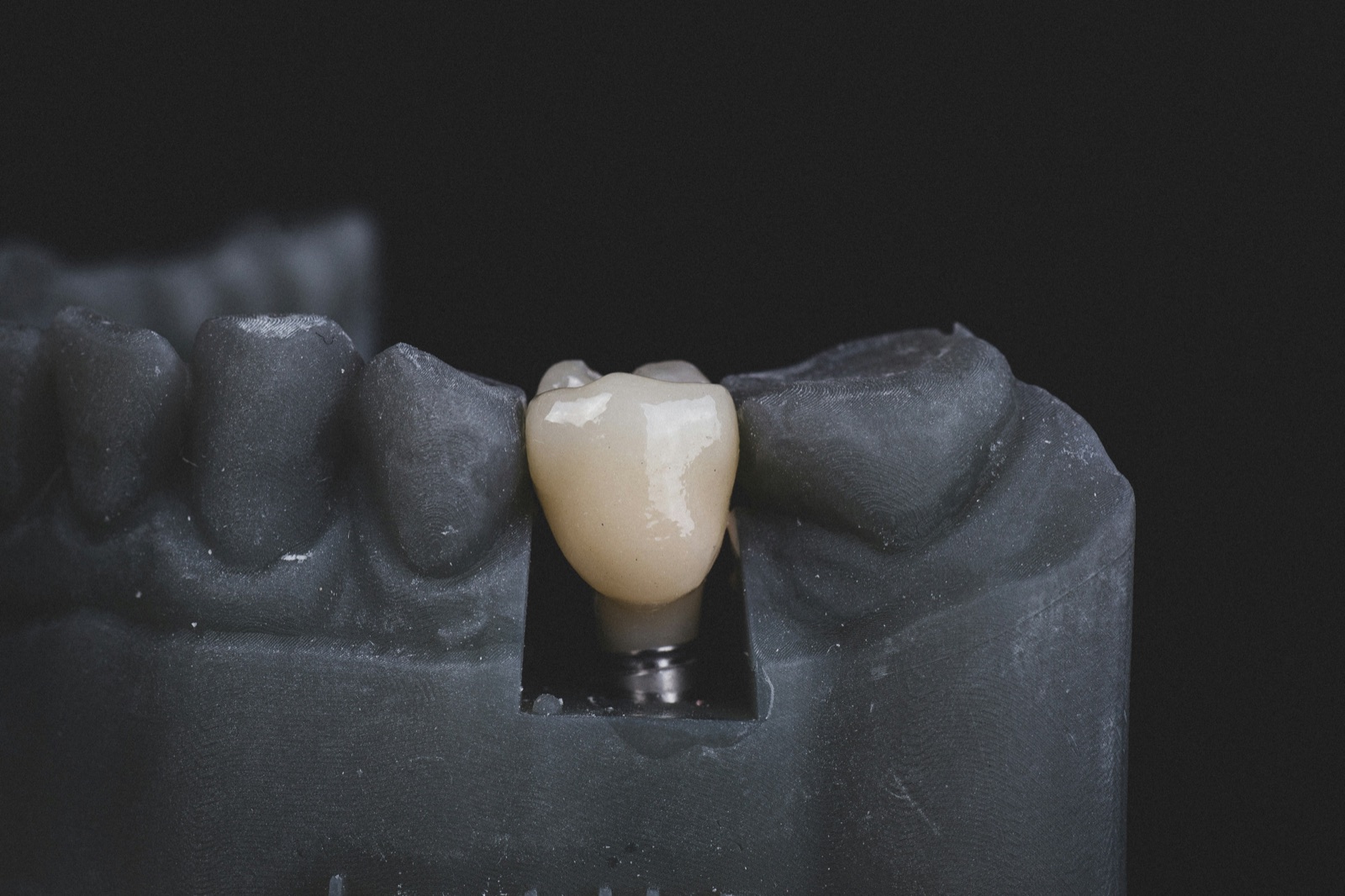
An implant‑supported denture is held by implants anchored in the jaw, so it stays secure whether you are biting an apple or giving a speech. For many patients that single difference reshapes how they feel about wearing a denture at all.
Protecting the Jawbone
Because traditional dentures sit on top of the gums, they do not stimulate the bone beneath. Over years that bone slowly shrinks, which is part of why older dentures start to feel loose and need relining or replacing.
Implants send chewing pressure down into the bone the way natural roots do, helping to preserve it. That means an implant‑supported denture tends to keep its fit and supports the shape of your face over the long‑term.
Choosing What Fits You
Cost, comfort, and existing bone all play into the decision. Traditional dentures involve no surgery and a lower upfront cost, while implant‑supported dentures ask for a bigger initial investment in exchange for stability and bone protection.
There is no single right answer, only the right answer for you. At our Vancouver practice we lay out both paths clearly so you can weigh them against your priorities rather than feeling pushed toward one.