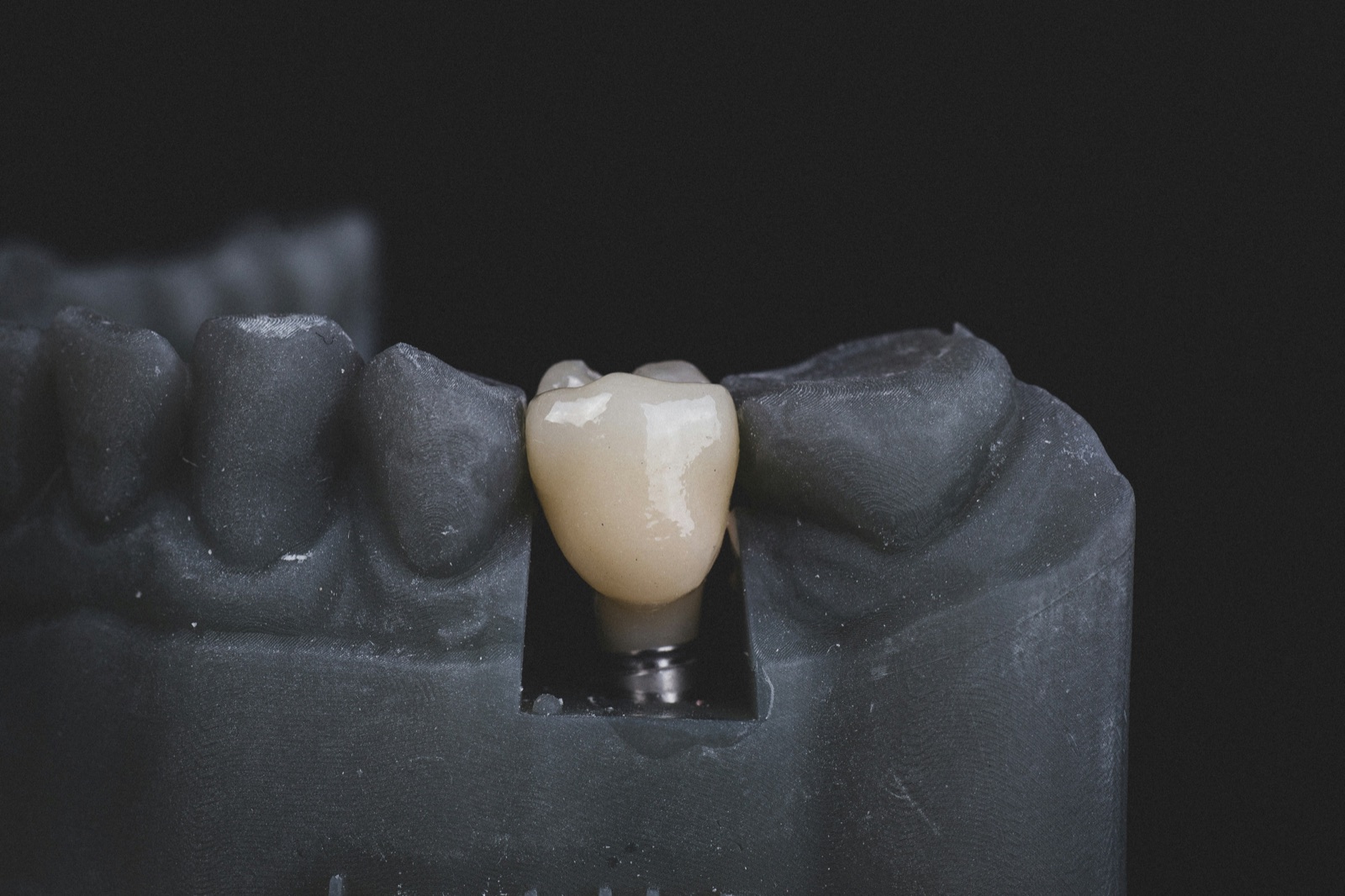
A single missing tooth toward the back of the mouth can feel easy to ignore. The trouble is that the space rarely stays quiet, and the slow changes it sets off are easier to prevent than to reverse.
Teeth Drift Into Empty Space
Your teeth support one another. When one is removed, the teeth on either side gradually tip toward the gap, and the tooth above or below it can start to drift out of line looking for something to bite against.
Over months and years this shifting changes how your teeth meet. It can create new spots where food traps, make cleaning harder, and put uneven pressure on teeth that were previously healthy. Replacing the tooth early keeps everything in its proper place.
The Bone Underneath Shrinks
The jawbone stays strong because chewing sends pressure through the tooth root into the bone. Remove the root and that stimulation stops, so the body slowly reabsorbs the bone in that area.
This is why long‑standing gaps can leave a sunken look and make future tooth replacement more involved. An implant is unique in that it replaces the root, keeping the bone active and preserving the natural contour of your jaw.
Everyday Function and Confidence
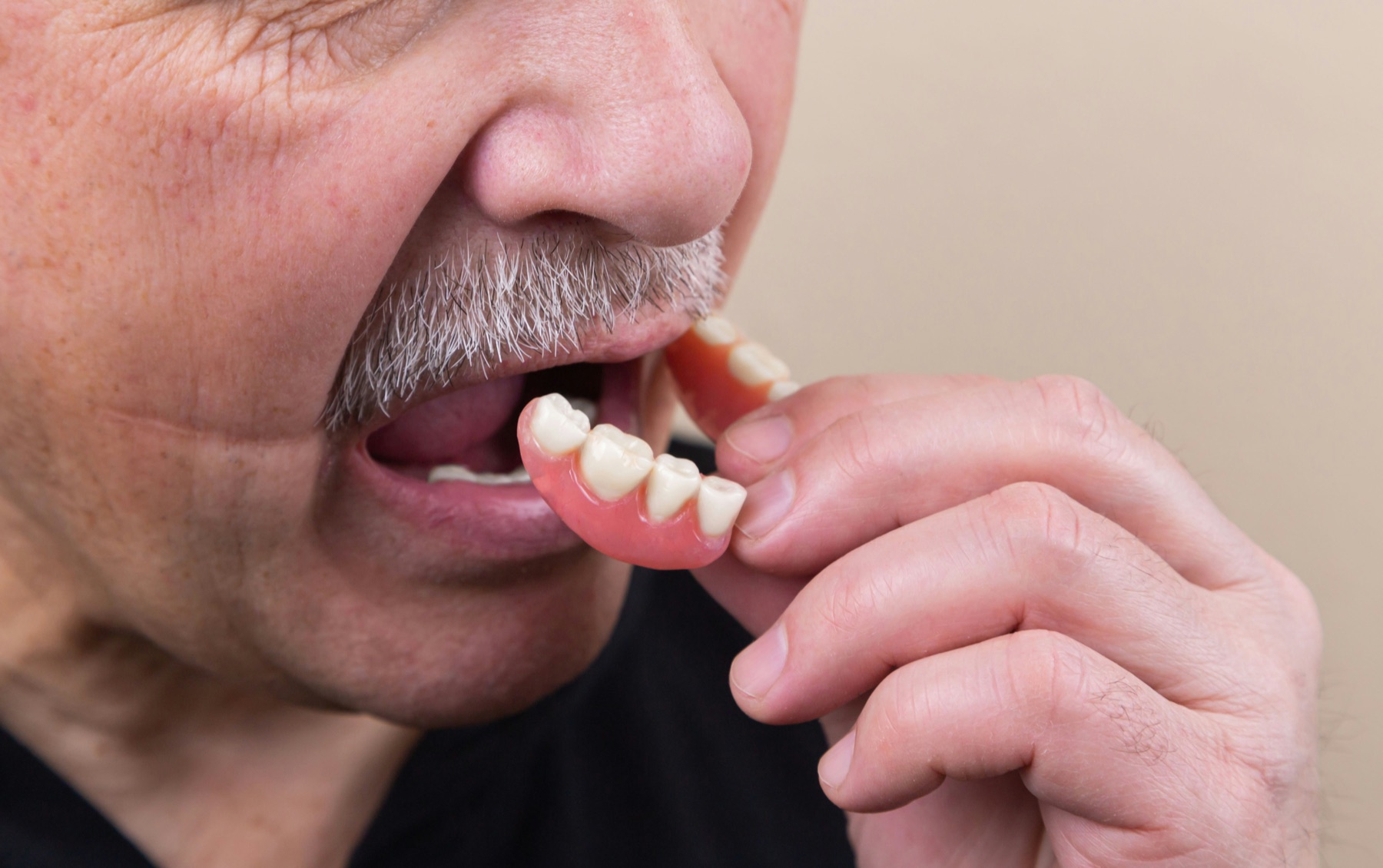
Beyond the structural issues, a gap changes how you live. Many people unconsciously chew on one side, avoid certain foods, or feel self‑conscious when they smile or speak.
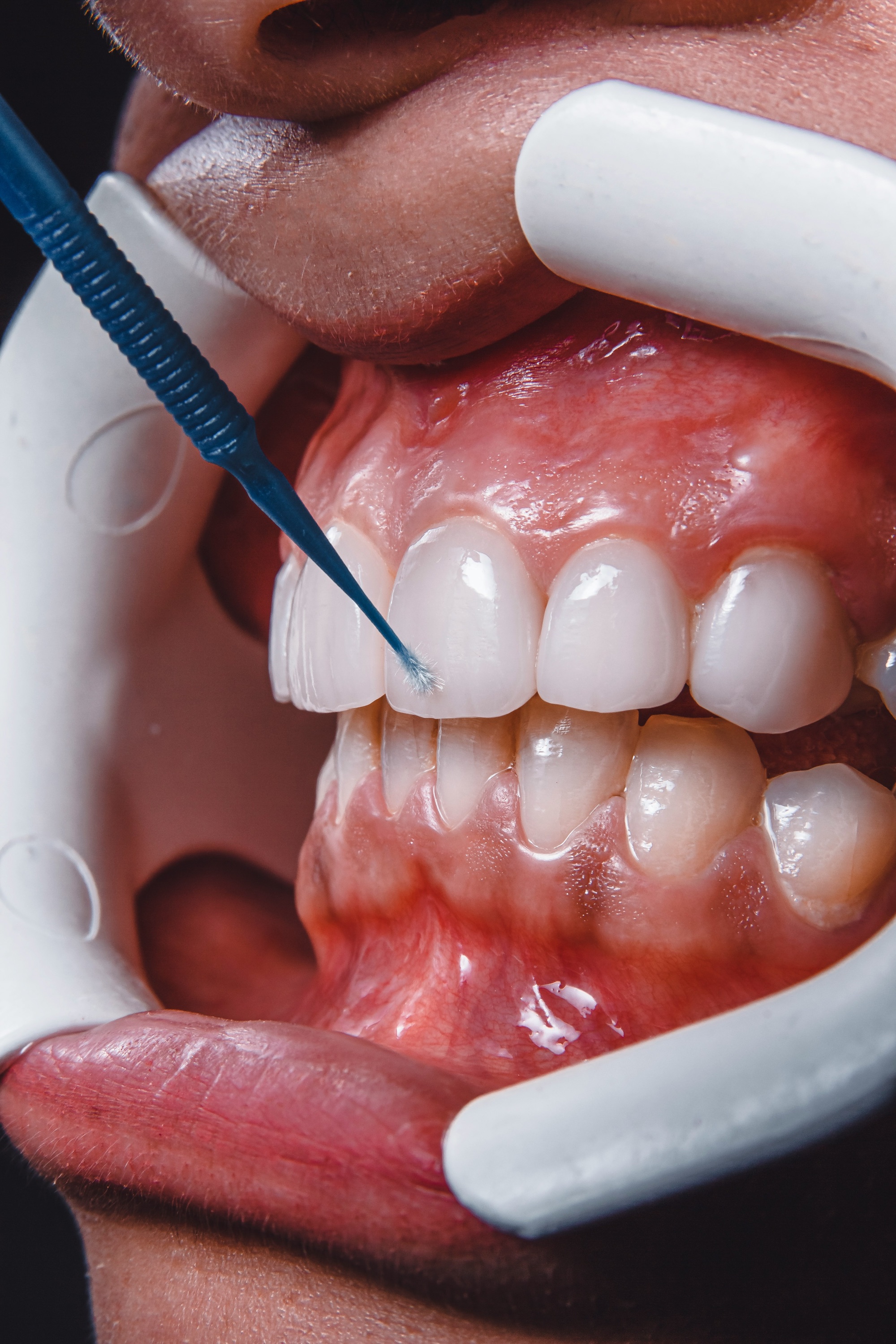
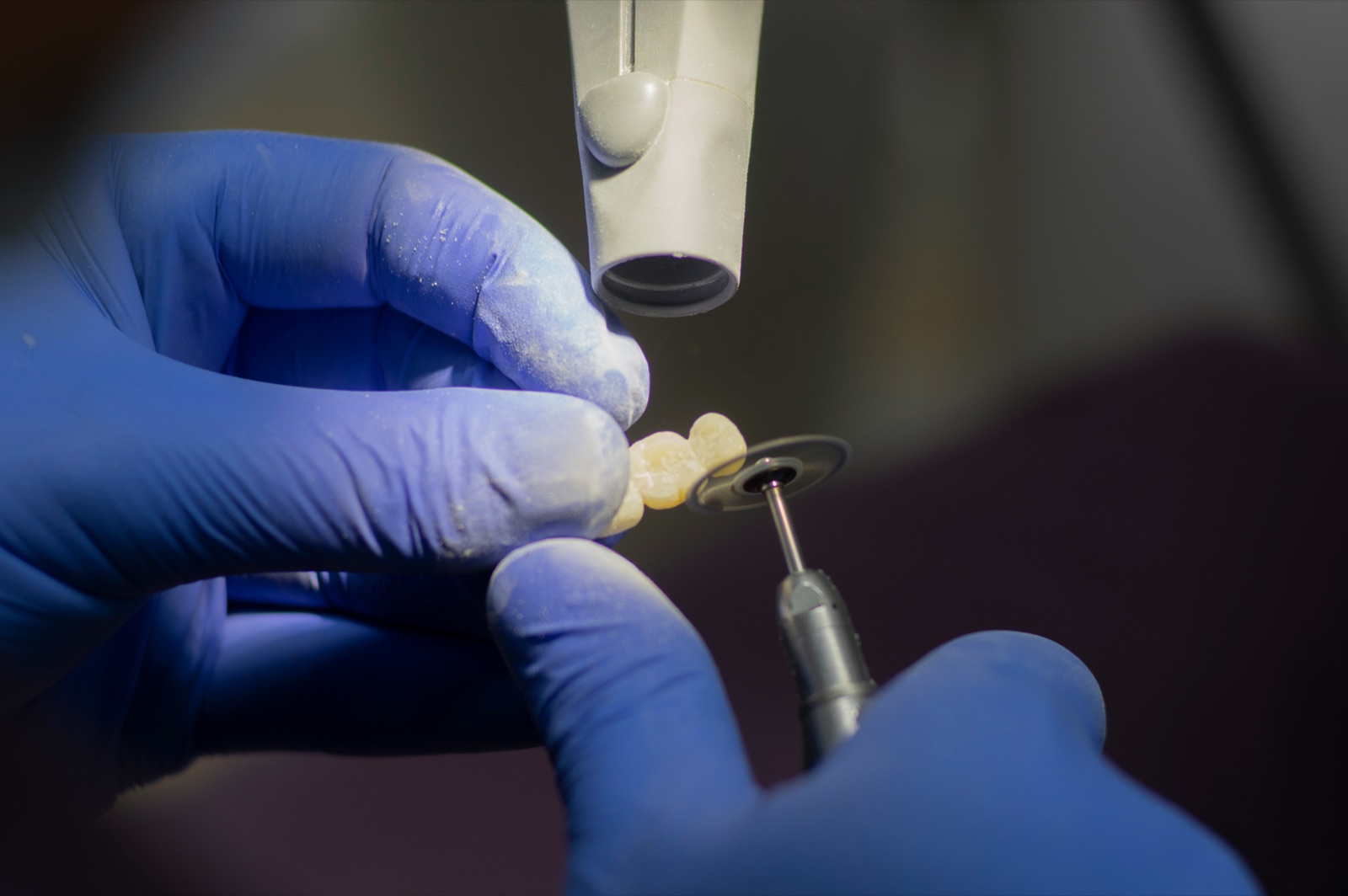
Restoring the tooth brings back balanced chewing and the simple confidence of not thinking about the space at all. At our Vancouver practice we help patients weigh the small step of treatment now against the larger changes that come from waiting.